


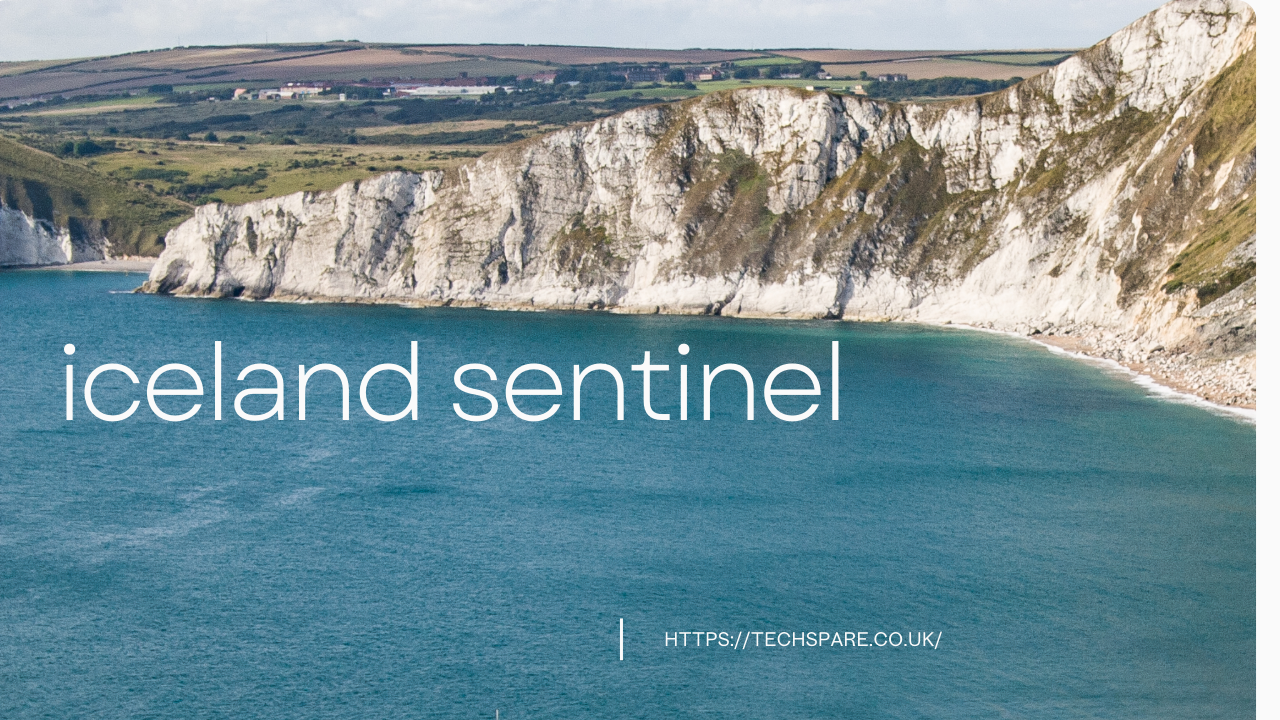
In the far reaches of the North Atlantic, where fire meets ice, lies a realm of unmatched natural wonder—Iceland, the land of glaciers, volcanoes, and ancient sagas. But beyond its geological marvels and folklore, there’s a concept rising in cultural and metaphorical significance: the Iceland Sentinel. A name that evokes imagery of watchful guardians, silent strength, and the resilience of nature and people intertwined. But what is the “Iceland Sentinel”? Is it a myth, a movement, or a metaphor?
The Iceland Sentinel, as a concept, represents more than just a physical or tangible entity. It stands as a symbol of vigilance, environmental stewardship, cultural preservation, and the persistent endurance of Icelandic identity in a rapidly changing world.
A Land That Breathes Through Ice and Fire
Iceland, situated atop the Mid-Atlantic Ridge, is a dynamic geological hotspot where the Earth quite literally tears itself apart. Glaciers carve the highlands while molten lava reshapes the lowlands. Here, the Iceland Sentinel takes on its first form—the land itself, acting as a guardian of Earth’s inner power.
The very landscape seems alive. Glaciers like Vatnajökull silently observe from above, while volcanoes like Hekla and Katla lie in wait below. They serve as a natural defense system—a geological sentinel—warning and reminding humanity of the raw force beneath our feet.
- Vatnajökull, Europe’s largest glacier, is more than a mass of ice. It’s a time capsule and a climate witness, holding records of past centuries in its layers.
- Þingvellir, where tectonic plates visibly drift apart, tells a story not only of geological boundaries but of Iceland’s first parliament, Alþingi, founded in 930 AD—a powerful reminder that nature and governance here have always coexisted.
The Iceland Sentinel in this context is not merely a passive observer but an active participant in shaping both land and legacy.
Guardians of Culture: A People Rooted in Story
Icelanders have always been custodians of memory. From the Eddas to the Sagas, the act of storytelling has preserved their identity across generations. The Iceland Sentinel is embodied by the Icelandic language, one of the oldest still in use today, virtually unchanged from Old Norse.
- Árni Magnússon, the 17th-century scholar who collected and preserved medieval manuscripts, can be viewed as an early human manifestation of the Iceland Sentinel—his work saved countless pieces of Viking history.
- The modern-day Icelandic Literary Society continues this tradition, ensuring that language remains not just spoken, but lived.
In this sense, the sentinel is not static. It flows through people: poets, archivists, and even musicians like Björk, who channel ancestral voices into modern expression. Every Icelandic child learning the sagas becomes a new link in this unbroken chain of cultural sentinels.
The Digital Watchtower: Iceland in the Modern Era
The modern world has pushed Iceland into a new frontier—digital guardianship. With its cool climate and renewable energy abundance, Iceland has become a hub for data centers and internet freedom. Here, the Iceland Sentinel transitions into a futuristic protector—a digital stronghold for privacy and transparency.
- IMMI (Icelandic Modern Media Initiative), launched in 2010, aims to make Iceland a global safe haven for investigative journalism and freedom of information. This modern sentinel shields the truth in an age of misinformation.
- Tech giants have built vast data centers near Reykjavik, relying on Iceland’s stability and neutrality—further cementing the island’s role as a quiet protector in the digital realm.
In this age, the Iceland Sentinel doesn’t wear armor. It wears algorithms, encryption, and ethics.
Ecological Stewardship: Nature’s Fiercest Ally
In recent decades, climate change has cast long shadows even over Iceland’s pristine wilderness. Melting glaciers and rising temperatures threaten its biodiversity and water systems. Yet Iceland has responded not with despair, but with defiance—reasserting itself as a sentinel of the environment.
- Reforestation projects, once thought impossible due to soil erosion, are now expanding rapidly across the country.
- Iceland’s commitment to renewable energy—nearly 100% of its electricity comes from hydro and geothermal sources—places it at the forefront of sustainable living.
- Carbon capture initiatives, such as the Orca facility by Climeworks near Hellisheiði, aim to pull CO₂ directly from the atmosphere and store it underground—a literal burying of emissions beneath the land the sentinel guards.
Here, the Iceland Sentinel becomes a green warrior, embodying the spirit of protection not through conquest, but through healing.
The Aurora’s Watch: A Cosmic Perspective
The skies above Iceland tell their own tales. The Northern Lights, or Aurora Borealis, often grace the night, casting ghostly greens and purples across snow-covered landscapes. In ancient times, these lights were seen as omens, messages from gods or ancestors.
The Iceland Sentinel extends even here—to the cosmos. Iceland’s skies have become a symbol of cosmic awareness and natural rhythms. The government’s dedication to reducing light pollution has turned parts of the country into stargazer sanctuaries. The heavens are not just observed—they are respected.
- Astrophotographers and scientists from around the world travel to Iceland not just for beauty, but for clarity—for untouched night skies unmarred by human interference.
- The Icelandic Met Office, tracking solar activity and weather patterns, acts as a literal sentinel of sky and storm.
Even in darkness, Iceland watches. Even in silence, it speaks.
Resilience in Isolation: A Pandemic-Proven Model
When the COVID-19 pandemic swept the world, Iceland’s response became a case study in how a small, organized nation could act decisively. The Iceland Sentinel showed its human face: doctors, epidemiologists, and volunteers acting as shields for the vulnerable.
- Iceland offered free testing and tracing to its entire population early in the crisis, and it managed data with surgical precision.
- Instead of full lockdowns, it relied on public trust and transparency, showing that a well-informed public could be its own best defense.
This unique combination of trust, transparency, and tactical action reinforced Iceland’s role as a sentinel—not through force, but through wisdom.
Iceland Sentinel as a Literary Metaphor
Writers have long been drawn to the idea of a watcher—an entity standing between civilization and chaos. The Iceland Sentinel, as a literary metaphor, serves as a totem for themes of solitude, vigilance, and legacy.
In novels, poetry, and art, the concept of the sentinel evokes a figure who sees what others cannot, who guards even when unthanked, and who endures beyond immediate relevance. Iceland’s harsh environment and introspective culture make it fertile ground for such storytelling.
- Halldór Laxness, Iceland’s Nobel laureate, imbued his novels with sentinel-like characters—quiet, persistent, morally complex guardians of their land or ideals.
- Contemporary Icelandic cinema often reflects the same ethos: characters facing inner and outer storms, standing sentinel over family, land, or belief.
Reimagining the Iceland Sentinel: Future Visions
Looking ahead, the concept of the Iceland Sentinel is evolving. As artificial intelligence, climate migration, and global instability grow, Iceland’s stability offers a template for future nations. It could become:
- A neutral sanctuary for endangered knowledge, culture, and species.
- A testing ground for renewable technologies and climate adaptation.
- A diplomatic bridge between East and West in a fragmented geopolitical landscape.
The Iceland Sentinel is not a fixed figure. It is an idea, a shape-shifting guardian that rises to each new challenge with dignity and direction.
Conclusion: The Quiet Force That Watches
From ice-covered volcanoes to encrypted servers, from ancient poems to political progress, the Iceland Sentinel stands as a multifaceted guardian of Earth, culture, truth, and time. It does not seek power or praise. Its strength lies in presence, purpose, and persistence.
To invoke the Iceland Sentinel is to call upon the spirit of endurance—whether you’re facing the fury of nature, the erosion of culture, or the noise of modernity. It’s the quiet force that watches not out of duty, but out of love—for land, for legacy, and for the luminous stillness that only a place like Iceland can truly offer.