


Singapore has long maintained a reputation as one of Asia’s most stable and transparent real estate markets. With strong regulatory oversight, consistent infrastructure development, and a strategic approach to urban planning, the city-state continues to attract both domestic buyers and international property investors. Over the past decade, the focus of residential development has gradually expanded beyond traditional central districts toward emerging neighborhoods designed with sustainability, connectivity, and long-term growth in mind.
Two projects that have recently drawn attention in this evolving landscape are Lentor Gardens Residences Condo and Tengah Garden Residences Condo. Both developments are situated in areas undergoing transformation, supported by government planning initiatives aimed at creating vibrant, well-connected communities. While each project reflects different aspects of Singapore’s residential expansion, they share a common theme: being part of districts expected to experience long-term urban growth.
This article explores the broader investment outlook for these developments and how they fit within Singapore’s evolving property market.
Singapore’s Forward-Looking Urban Planning Strategy
One of the defining features of Singapore’s real estate market is its proactive and long-term urban planning strategy. Through the Urban Redevelopment Authority (URA) master plan, the government continuously evaluates how land is allocated for residential, commercial, and recreational use.
Rather than allowing unchecked urban sprawl, new residential projects are often integrated into carefully planned districts that include transportation links, schools, green spaces, and commercial hubs. This approach not only improves quality of life for residents but also strengthens long-term property values by ensuring that neighborhoods develop cohesively.
For property investors, this planning framework creates opportunities in areas that are still evolving but are supported by future infrastructure development. Projects located in these growth corridors often attract attention due to their potential for appreciation as surrounding amenities and transportation networks mature.
The Growing Appeal of the Lentor Hills District
Northern Singapore has increasingly become an area of interest for residential development, particularly around the Lentor Hills estate. This district has been identified as a new residential cluster, with several Government Land Sales (GLS) sites gradually released to developers.
The area’s transformation is closely tied to improvements in public transport infrastructure, including the Thomson–East Coast Line. With new MRT stations improving accessibility to key locations such as Orchard Road and the central business district, previously quiet neighborhoods are becoming more connected to the rest of the city.
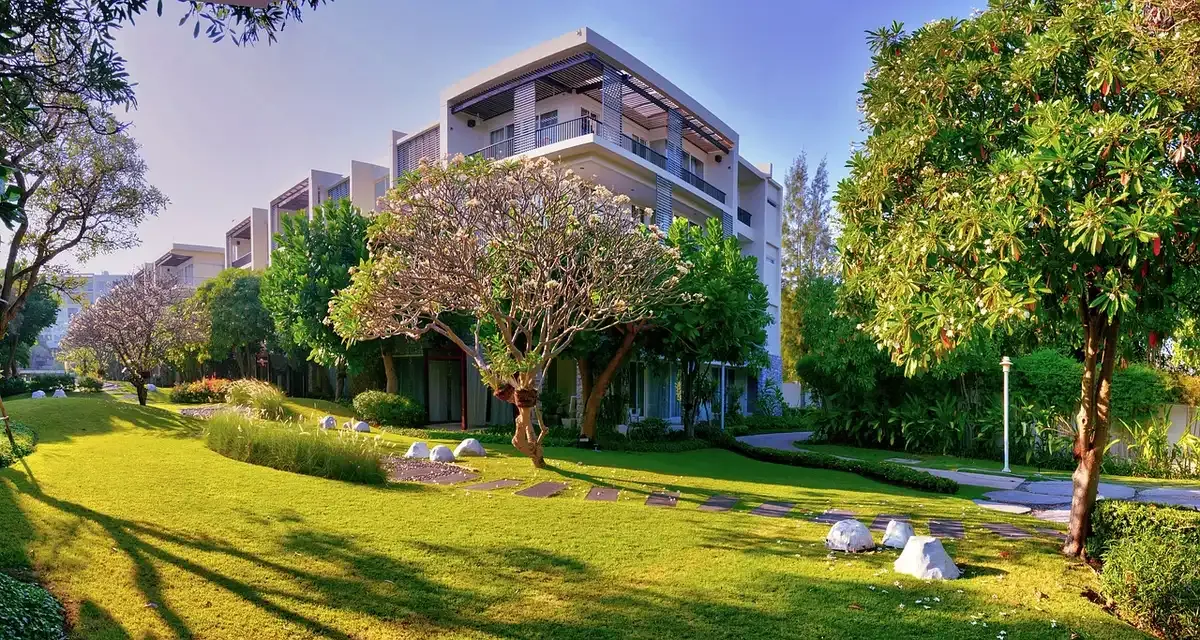
Within this context, projects like Lentor Gardens Residences Condo represent part of a broader vision for a modern residential enclave that blends urban convenience with a more tranquil environment. The development is positioned within a low-density residential setting surrounded by landscaped areas and nearby parks, reflecting Singapore’s emphasis on green urban design.
From an investment perspective, developments located near MRT stations often hold long-term appeal due to their accessibility. In Singapore’s property market, proximity to rail infrastructure has historically been a significant factor influencing buyer demand and resale value.
Additionally, the Lentor area is expected to benefit from continued residential expansion, which may gradually introduce more retail outlets, community spaces, and educational facilities in the surrounding neighborhood.
Tengah: Singapore’s New “Forest Town”
While Lentor represents the gradual expansion of existing residential districts, Tengah offers a different type of opportunity. Located in the western region of Singapore, Tengah is one of the country’s newest planned towns and is widely known as Singapore’s “Forest Town.”
The concept behind Tengah is centered on sustainable living and smart urban design. The township’s master plan includes features such as car-lite town centers, dedicated cycling paths, and extensive green corridors that connect residential zones with recreational areas. These initiatives are part of Singapore’s broader goal to integrate nature with urban living.
In this emerging township, Tengah Garden Residences Condo stands out as one of the first private residential developments in the district. Being among the early projects in a new town can present unique opportunities for investors, particularly as the surrounding infrastructure continues to develop over time.
Tengah is also expected to benefit from new transport links, including the Jurong Region Line, which will strengthen connections between western Singapore and key employment hubs. The nearby Jurong Lake District, often described as Singapore’s second central business district, is another factor contributing to the area’s long-term residential demand.
Infrastructure and Connectivity as Investment Drivers
In Singapore’s property market, infrastructure development plays a major role in shaping investment potential. Accessibility, particularly through public transportation networks, remains one of the most important factors influencing residential demand.
The expansion of MRT lines across the island has significantly improved connectivity between residential areas and commercial centers. For homeowners, this reduces commuting time and increases convenience. For investors, it often translates into stronger rental demand and broader buyer interest.
Both Lentor and Tengah are benefiting from new rail networks designed to support future population growth. As these transportation systems become fully operational, surrounding neighborhoods are likely to experience greater activity and increased property interest.
Beyond transportation, the development of schools, retail centers, healthcare facilities, and recreational spaces also contributes to the overall attractiveness of a district. These amenities are essential in creating well-rounded communities where residents can live, work, and relax without needing to travel long distances.
Lifestyle Trends Shaping Modern Residential Demand
Another factor influencing the success of modern residential developments in Singapore is the growing emphasis on lifestyle quality. Buyers today often prioritize more than just location—they look for communities that offer convenience, greenery, and well-designed living spaces.
Developments that incorporate landscaped gardens, fitness facilities, and communal spaces often appeal to younger professionals and families seeking balanced urban living. At the same time, environmental sustainability has become an increasingly important consideration.
Singapore’s push toward eco-friendly architecture and energy-efficient buildings has influenced many new residential projects. Features such as natural ventilation, smart home technology, and green building certifications are becoming more common across the market.
Both Lentor and Tengah developments reflect these evolving expectations by incorporating modern design concepts and community-focused amenities.
Comparing Emerging Residential Districts
Although both Lentor and Tengah are part of Singapore’s broader expansion strategy, the two districts present slightly different investment profiles.
Lentor is an emerging residential enclave located within an already established part of the island. It offers relatively quick access to central areas while maintaining a quieter suburban atmosphere. This balance between connectivity and tranquility can appeal to families and professionals seeking a more relaxed living environment.
Tengah, on the other hand, represents a completely new township still in the early stages of development. While this may involve a longer timeline for full maturity, it also means the district has been designed from the ground up with modern urban concepts and sustainability in mind.
For investors evaluating long-term opportunities, these distinctions may influence their decisions depending on risk tolerance and investment goals.
Long-Term Outlook for Singapore’s Residential Market
Despite global economic fluctuations, Singapore’s property market has remained resilient due to its strong governance, transparent regulations, and limited land supply. Government policies aimed at maintaining housing affordability and market stability also contribute to long-term confidence among buyers and investors.
As the city continues to grow, new residential districts will play an important role in accommodating population growth and evolving lifestyle needs. Projects located in emerging neighborhoods often benefit from the gradual development of surrounding infrastructure and amenities.
Developments like Lentor Gardens Residences Condo and Tengah Garden Residences Condo illustrate how Singapore’s urban planning strategy continues to shape the next generation of residential communities.
Conclusion
Singapore’s real estate landscape is constantly evolving, guided by careful urban planning and long-term infrastructure investment. As new districts emerge across the island, they provide opportunities for homebuyers and investors seeking properties that may benefit from future growth.
The Lentor Hills estate and the Tengah township are two examples of how Singapore is expanding its residential capacity while prioritizing sustainability, connectivity, and modern living environments. While each district follows a different development trajectory, both highlight the role of strategic planning in shaping the city’s property market.
For observers of Singapore’s real estate sector, these developments offer a glimpse into the future of urban living—where thoughtfully designed communities and integrated infrastructure continue to drive long-term residential demand.