


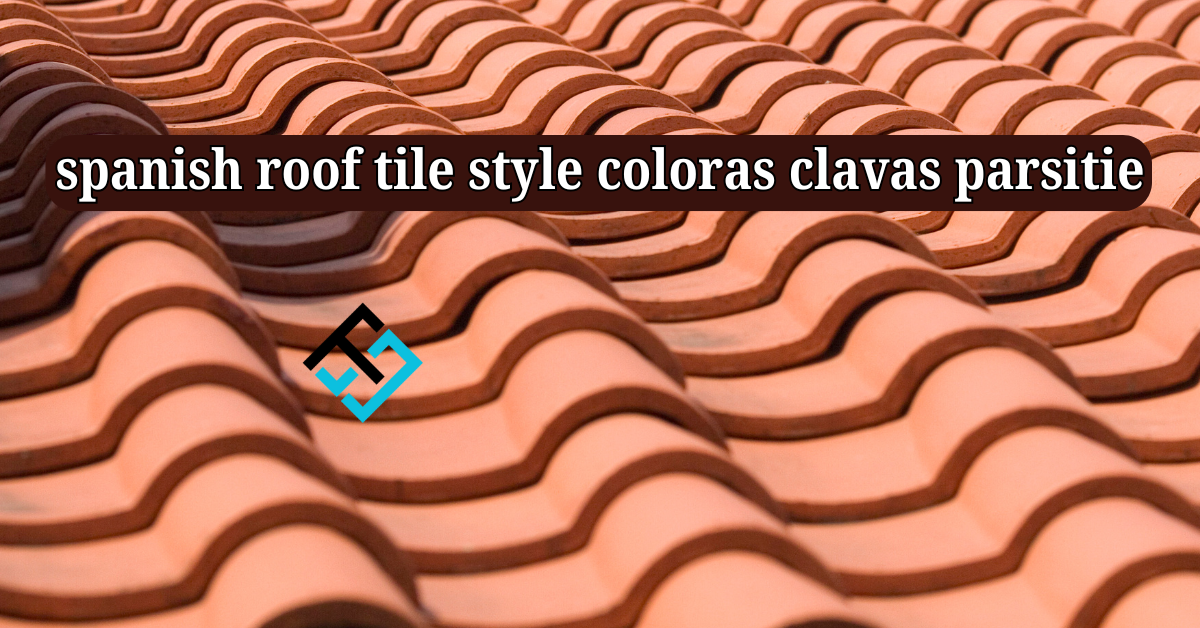
When it comes to roofing aesthetics and durability, Spanish roof tiles have long been a standout choice. Known for their distinct curves, rich history, and timeless appeal, these tiles bring a unique character to homes and buildings around the world. One style that’s gaining attention in architectural circles is the Coloras Clavas Parsitie. While it may sound exotic, this design combines traditional Spanish tile craftsmanship with modern innovation and cultural influences.
What is the Coloras Clavas Parsitie Style?
“Coloras Clavas Parsitie” is not a mainstream roofing term. Still, it refers to a fusion of colour-rich, claw-like tile patterns (claves) and a parasite-like patterning system (partition), creating a roof tile design that mimics organic, natural forms. It’s a niche style derived from Mediterranean and Spanish-Moorish architectural roots, popular in high-end custom builds, eco-conscious designs, and boutique architectural projects.
This style is marked by:
- Deep, earthy colour variations – terracotta, burnt sienna, ochre, and even mossy greens.
- Textured, interlocking tiles that give the illusion of movement.
- A mix of asymmetry and repetition that reflects natural growth patterns.
Origins and Influence
The origins of Coloras Clavas Parsitie can be traced to a combination of:
- Traditional Spanish barrel tiles (tejas curvas) are semi-cylindrical and often made of clay.
- Moorish influence, which brought geometric and nature-inspired designs into Iberian architecture.
- Bio-architecture is a modern design trend where structures mimic natural organisms and patterns.
By fusing these ideas, Coloras Clavas Parsitie tiles offer a distinctive, almost organic look that differs from the uniformity of modern concrete or asphalt roofing.
Key Features of Spanish Roof Tiles in the Parsitie Style
1. Organic Shape and Flow
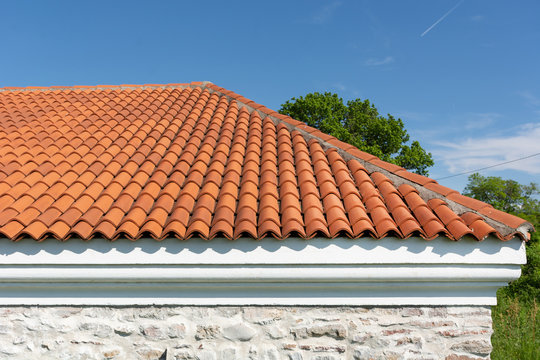
The Clavas Parsitie tiles are designed to create a dynamic pattern on the roof. Instead of straight lines, the roof appears to ripple slightly, like waves or leaves in the wind. This organic form isn’t just aesthetic—it helps with water flow and insulation.
2. Rich Color Variations
These tiles are hand-glazed or baked using natural mineral pigments, creating depth and variation. The colours age beautifully, developing a patina that enhances the tile’s character over time.
3. Durable and Eco-Friendly
Like traditional Spanish tiles, Clavas Parsitie tiles are usually made from natural clay or recycled ceramic. They are durable, resistant to extreme weather, and have a long lifespan. Some variations incorporate solar-reflective coatings, improving energy efficiency.
4. Unique Texture and Surface Detail
Many tiles in this style are hand-textured to mimic bark, coral, or even bone. This texture isn’t just for looks—it can improve maintenance workers’ grip and help diffuse sunlight, keeping buildings cooler.
Benefits of Choosing Colours Clavas Parsitie Tiles
- High aesthetic value – A roof that stands out and tells a story.
- Energy efficiency – Natural materials insulate well, and optional coatings reflect heat.
- Longevity – Properly maintained, these tiles can last 75+ years.
- Sustainability – Often made from local materials, with minimal processing.
- Customizability – Each roof can be uniquely designed with colour and texture choices.
Installation Considerations
Installing Spanish roof tiles, especially in the Parsitie style, is more complex than laying asphalt shingles. Here are a few key points:
- Skilled labour is essential – The irregular shapes and interlocking design require experience.
- Weight must be accounted for – These tiles are heavier, and the roof structure may need reinforcement.
- Proper underlayment is crucial – Waterproofing layers must be high-quality and correctly installed.
Ideal Applications
Colours Clavas Parsitie tiles are especially suited for:
- Luxury homes seeking a standout design.
- Eco-friendly buildings need sustainable, natural materials.
- Cultural or historical projects where traditional styles are key.
- Boutique resorts and hotels want to evoke Mediterranean charm.
Maintenance and Care
These tiles are relatively low-maintenance but require occasional inspections:
- Annual roof checks to identify cracks or shifting.
- Cleaning debris to prevent mould or algae.
- Replacing damaged tiles promptly to avoid leaks.
They do well in a range of climates but are best in dry to temperate environments where clay performs optimally.
SEO Keywords for Relevance
To help this article reach the right audience, the following SEO keywords are integrated naturally:
- Spanish roof tile style
- Colours Clavas Parsitie
- Mediterranean roof design
- organic roofing tiles
- sustainable clay tiles
- artisan roof tile style
- traditional Spanish roofing
Final Thoughts
Coloras Clavas Parsitie may not be widely known yet, but its combination of tradition, artistry, and sustainability makes it a compelling choice for the right project. For those looking to move beyond the ordinary and into something architecturally bold, this Spanish roof tile style offers a rare blend of form and function that transforms any structure into a work of art.
Find out more interesting topics on our website techspare