


SSIS 816 is a powerful data integration tool developed by Microsoft. It stands for SQL Server Integration Services, version 8.16, and helps businesses move, transform, and manage data efficiently. In today’s data-driven world, companies rely on large amounts of data from various sources. SSIS 816 simplifies this process by automating data extraction, transformation, and loading (ETL), making it easier to work with and analyze.
Whether you are a small business owner or an enterprise IT professional, SSIS 816 provides the tools necessary to streamline data integration and ensure that data remains accurate and accessible. This guide will explain why data integration matters, the key features of SSIS 816, how it works, and its real-world applications.
Why Do We Need Data Integration?
Data integration is the process of combining data from multiple sources into a single, unified view. Businesses use data integration to get a complete picture of their operations, allowing them to make informed decisions.
Here’s why data integration is essential:
- Improved Decision-Making: Businesses can analyze trends and make strategic decisions faster when all data is available in one place.
- Better Data Quality: Data integration tools like SSIS 816 clean and standardize data, reducing errors and inconsistencies.
- Increased Efficiency: Automating data movement saves time and resources by reducing manual data entry.
- Enhanced Security: Keeping data in a controlled environment ensures compliance with regulations and reduces the risk of data breaches.
Without a robust data integration tool, businesses may struggle with incomplete or outdated data, leading to inefficiencies and missed opportunities.
Key Features of SSIS 816
SSIS 816 has features that make it an essential tool for businesses dealing with large volumes of data. Some of the key features include:
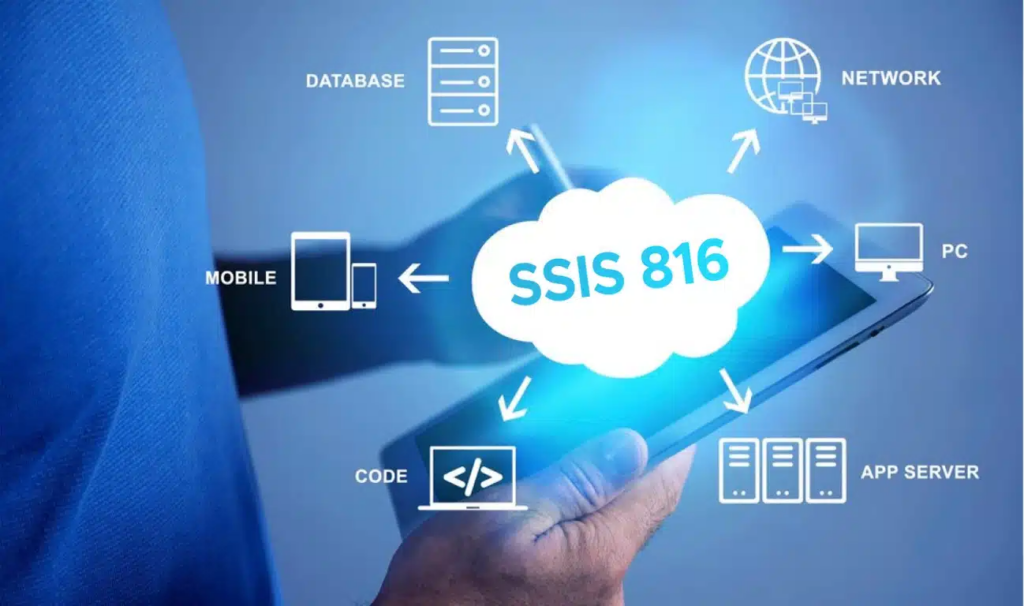
Extract, Transform, Load (ETL)
ETL is the core functionality of SSIS 816. It allows users to:
- Extract data from multiple sources such as databases, flat files, and cloud platforms.
- Transform the data by cleaning, filtering, and aggregating it to meet business requirements.
- Load the transformed data into a target system like a data warehouse or cloud storage.
Scalability
SSIS 816 is designed to handle both small and large data sets, making it suitable for businesses of all sizes. It optimizes performance through parallel processing and incremental data loading, ensuring efficiency even with high data volumes.
Integration with Cloud Services
With cloud computing becoming more prevalent, SSIS 816 supports seamless integration with cloud services like Microsoft Azure, AWS, and Google Cloud. This ensures businesses can manage and analyze data across different environments without compatibility issues.
User-Friendly Interface
SSIS 816 offers a drag-and-drop interface, allowing users to create data workflows without extensive coding knowledge. This feature makes it accessible to both beginners and advanced users.
Automation and Scheduling
Businesses can automate their data processes using SSIS 816’s built-in scheduling tools. This helps reduce manual tasks and ensures data is always up to date.
How SSIS 816 Works
SSIS 816 follows a step-by-step process to manage data workflows. Here’s how it works:
- Creating a Project – Users start by creating a new SSIS project using SQL Server Data Tools (SSDT).
- Designing Workflows – Using the graphical interface, users can design workflows that define how data will be extracted, transformed, and loaded.
- Configuring Data Sources – Users specify the sources from which data will be extracted, including databases, APIs, and cloud storage.
- Applying Transformations – Data transformation steps are added to clean, filter, and restructure the data as needed.
- Loading Data – The final step involves loading the processed data into the desired destination, such as a data warehouse or reporting system.
- Testing and Deployment – Users run tests to ensure the workflow functions correctly before deploying it into a live environment.
Benefits of Using SSIS 816
Businesses that implement SSIS 816 gain several advantages:
- Improved Data Quality – SSIS 816 cleans and validates data, reducing errors and inconsistencies.
- Time Efficiency – Automating data workflows saves time and reduces the need for manual intervention.
- Cost Savings – Reducing manual data processing leads to lower operational costs.
- Scalability – The tool adapts to business growth, handling increasing data volumes efficiently.
- Enhanced Reporting – With accurate and timely data, businesses can generate insightful reports to drive strategy.
Real-World Applications
SSIS 816 is widely used across different industries to streamline data management. Here are some real-world examples:
E-Commerce
Online stores use SSIS 816 to manage sales, inventory, and customer data. By integrating data from different platforms, e-commerce businesses ensure that their product listings, pricing, and stock levels are always current.
Healthcare
Hospitals and clinics rely on SSIS 816 to consolidate patient records from multiple departments. This ensures healthcare professionals have a complete view of a patient’s medical history, leading to better treatment decisions.
Financial Services
Banks and financial institutions use SSIS 816 to detect fraud and assess risk by integrating transaction data from various sources.
Retail
Retailers benefit from SSIS 816 by analyzing customer purchasing patterns and helping them make data-driven marketing and inventory decisions.
read also: Orville Lee Stallings
Getting Started with SSIS 816
If you’re new to SSIS 816, follow these steps to get started:
1. Installation
Download and install SSIS 816 from Microsoft’s official website. Ensure you install SQL Server Data Tools (SSDT) to design workflows.
2. Creating a Project
Open SSDT and create a new SSIS project. This will serve as the workspace where you define your data workflows.
3. Designing Workflows
Use the drag-and-drop tools to create data flows, specifying how data will be extracted, transformed, and loaded.
4. Testing and Deployment
Run your workflows to check for errors before deploying them into a production environment.
Conclusion
SSIS 816 is an essential tool for businesses looking to streamline their data integration processes. With its powerful ETL capabilities, scalability, and cloud integration, SSIS 816 helps organizations manage their data efficiently and make informed decisions. Whether you are in e-commerce, healthcare, or finance, SSIS 816 simplifies data workflows, improving overall business operations.
By leveraging SSIS 816, businesses can ensure data accuracy, automate processes, and stay competitive in the digital age.
Stay informed with the latest news and updates on techspare