


Frogbit is a small floating plant that looks like tiny lily pads. It grows in calm waters like ponds, lakes, and marshes. While it makes water gardens beautiful, it can grow quickly and take over waterways. In this article, we will learn about frogbit, where it grows, its benefits, potential problems, and how to control its spread.
What Is Frogbit?
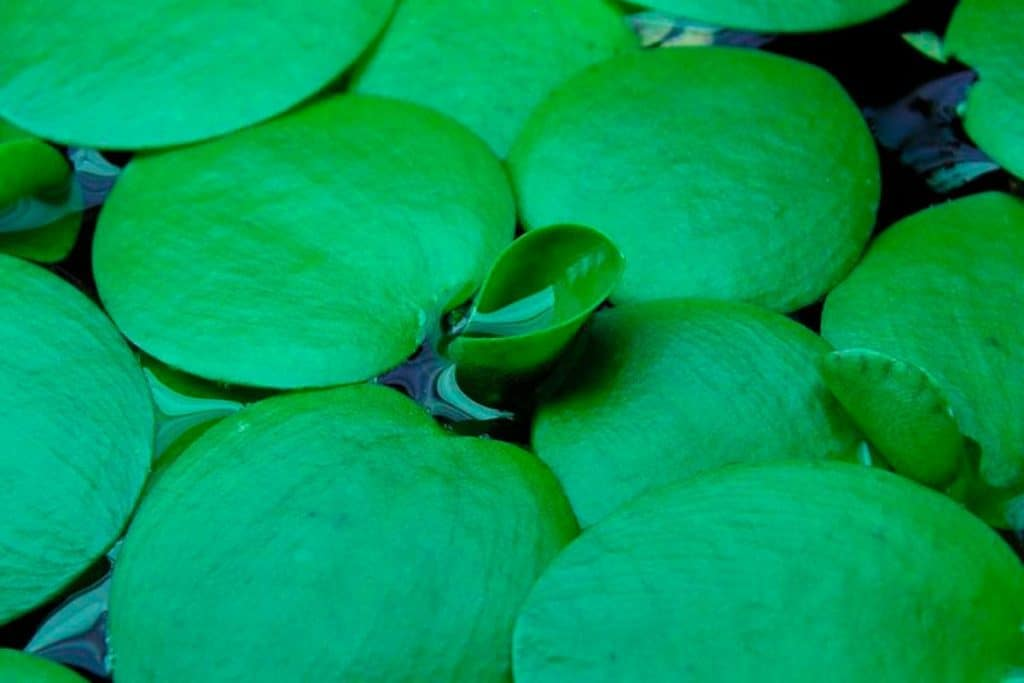
Frogbit is an aquatic plant that floats on the surface of the water. It has small, heart-shaped leaves and thin roots that dangle below. Some types of frogbit produce tiny white flowers. It spreads by sending out runners, which create new plants. If left unchecked, it can quickly cover the surface of a pond or slow-moving river.
Types of Frogbit
There are different kinds of frogbits found around the world. The three most common types include:
- European Frogbit (Hydrocharis morses range): Originally from Europe and Asia, it has spread to North America.
- American Frogbit (Limnobium spongia): Native to the United States, often found in the southeastern states.
- Amazon Frogbit (Limnobium laevigatum): Popular in aquariums and water gardens because of its attractive floating leaves.
Where Does Frogbit Grow?
Frogbit prefers still or slow-moving water. It is commonly found in:
- Ponds and lakes: They float on the surface and spread easily.
- Marshes and swamps: These wetland areas provide ideal conditions for its growth.
- Streams and canals: Although it prefers still water, it can also grow in slow-moving water.
Originally found in Europe and Asia, frogbit has spread to North America and other parts of the world. In the United States, it is considered invasive in some areas because it grows so quickly and can block sunlight from reaching underwater plants.
read also: Shawnee Delaney
Benefits of Frogbit
Even though frogbit can be a problem if it grows too much, it also has many benefits:
Provides Shelter
Frogbit creates a safe hiding place for small fish, frogs, and insects. Many creatures also use it to protect themselves from predators.
Improves Water Quality
Frogbit’s roots absorb extra nutrients from the water, helping to prevent algae growth and keeping the water clean.
Adds Beauty to Water Gardens
Its bright green leaves and delicate flowers make water gardens look more attractive.
Potential Problems with Frogbit
Although frogbit has some benefits, it can also cause serious problems if it spreads too much.
Rapid Growth
Frogbit can multiply quickly and cover large areas of water. When this happens, it blocks sunlight from reaching plants below the surface.
Oxygen Depletion
Too much frogbit can reduce the oxygen in the water, making it harder for fish and other aquatic life to survive.
Clogged Waterways
If frogbit spreads too much, it can block streams, canals, and irrigation channels, causing flooding and making it difficult for boats to pass through.
How to Control Frogbit Growth
If frogbit is growing too fast in a pond or lake, it needs to be controlled. Here are some ways to manage its growth:
Manual Removal
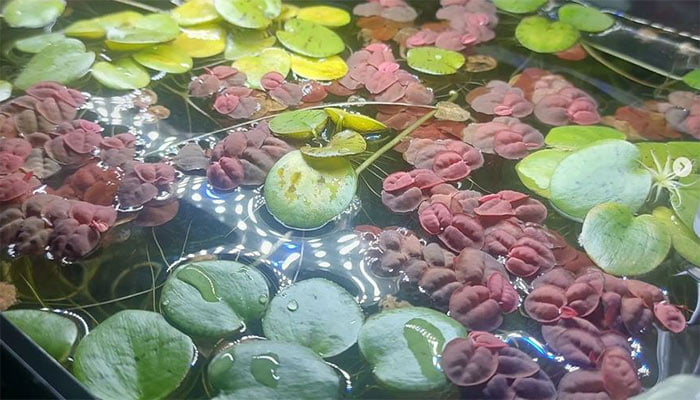
People can remove frogbits by hand or with nets. This is a simple way to prevent them from spreading.
Use of Barriers
Floating barriers can be placed in the water to prevent frogbit from spreading into unwanted areas.
Biological Control
Some fish, such as grass carp, eat frogbit and help keep its growth under control.
Frogbit vs. Water Hyacinth: What’s the Difference?
Frogbit and water hyacinth are both floating plants, but they have some key differences:
- Size and Shape: Frogbit has small, heart-shaped leaves, while water hyacinth has larger, oval leaves and purple flowers.
- Growth Rate: Water hyacinth grows even faster than frogbit and can completely take over a body of water.
- Environmental Impact: Both plants can be invasive, but water hyacinth often causes more damage to ecosystems.
Fun Facts About Frogbit
Floating Wonders
Frogbit leaves contain air pockets, which help them float on the water’s surface.
Summer Blooms
In warm weather, frogbit produces small, white flowers that add to its beauty.
Natural Water Filter
Frogbit’s roots help remove dirt and excess nutrients from the water, making it a useful plant for maintaining clean ponds.
Conclusion
Frogbit is an interesting aquatic plant that provides shelter for small animals and improves water quality. However, it can also grow too fast and cause problems. By understanding how frogbit grows and spreads, we can enjoy its beauty while keeping our waterways healthy. If managed properly, frogbit can be a helpful addition to water gardens and ponds.
Stay informed with the latest news and updates on techspare