


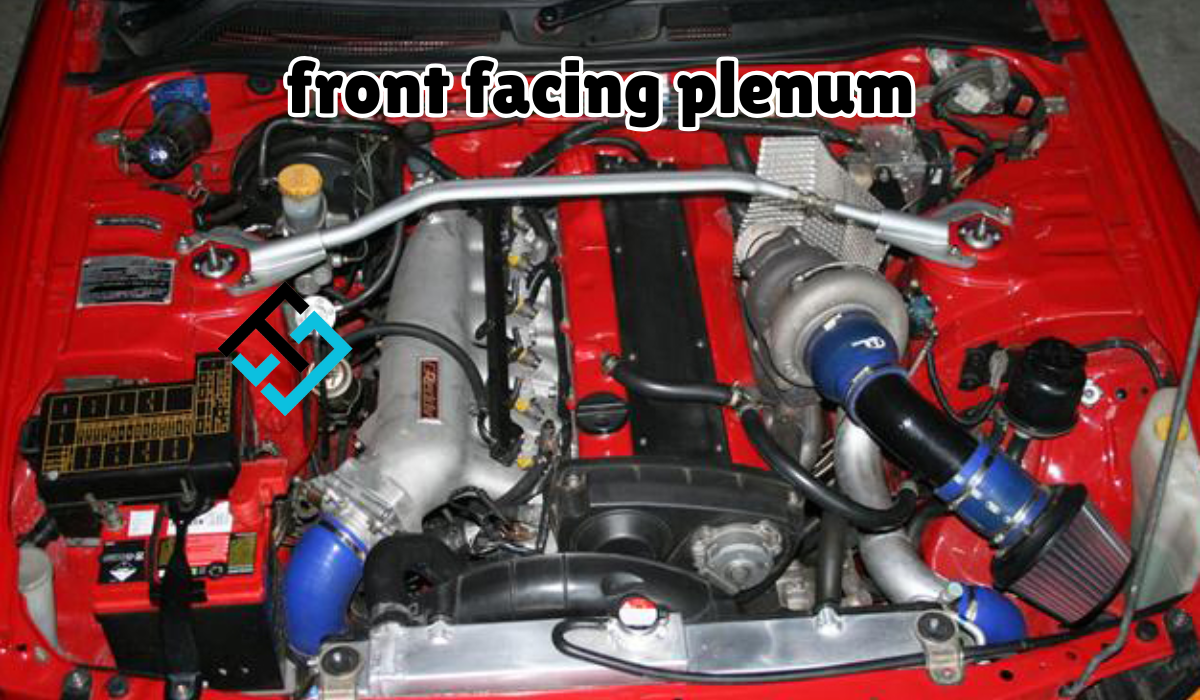
Have you ever wondered how the air in significant buildings stays fresh and comfortable? Whether you’re in a school, a shopping mall, or a hospital, the air needs to move around to keep everyone cool in the summer and warm in the winter. But how does that happen? The answer lies in something called a front-facing plenum. It may sound complicated, but don’t worry! By the end of this guide, you’ll understand how it works in a simple and fun way.
What Is a Front-Facing Plenum?
Imagine a big box inside a building that helps move air around. That’s what a front-facing plenum does! It’s part of the ventilation system that ensures every room gets the proper air. Without it, some places would feel too hot, cold, or stuffy.
Think of it like a magic tunnel. It takes air from one place, cleans it, and sends it to another where people need it. The front-facing plenum is essential because it helps keep the air moving smoothly like a river carrying water from one spot to another.
Why Are Front-Facing Plenums Important?
Front facing plenums help buildings in many ways:
- They keep the air fresh. Have you ever walked into a room that smelled bad? That’s because the air wasn’t moving correctly. A front-facing plenum helps prevent that by making sure the air keeps flowing.
- They help save energy. Instead of making heating and cooling systems work extra hard, plenums help distribute air efficiently. This means lower energy bills and less wasted power.
- They make buildings more comfortable. Whether summer or winter, front-facing plenums ensure the air inside a building stays just right.
read also: Get Back Whip
How Do Front-Facing Plenums Work?
A front-facing plenum works like a team, where different parts have unique jobs. Let’s break it down step by step.
Parts of a Front-Facing Plenum
- Air Intake: This is where the air first enters the plenum.
- Filter: Before the air moves further, it goes through a filter that cleans out dust and dirt.
- Ducts: These are like roads that carry the air to different rooms.
The Journey of Air
- First, the air enters the intake. This can be from inside the building or fresh air from outside.
- Then, the air passes through a filter. This helps remove dust, pollen, and other tiny particles that could dirty the air.
- Finally, the clean air moves through ducts and spreads to different rooms, ensuring every space has the right temperature.
Where Do We Find Front-Facing Plenums?
Front-facing plenums are everywhere, even if you don’t see them! Some familiar places where they are used include:
- Schools: To keep classrooms comfortable for students.
- Shopping Malls: To ensure fresh air in large stores.
- Hospitals: Maintaining clean air is essential for patients and doctors.
- Office Buildings: To keep workers comfortable while they work.
Benefits of Using Front-Facing Plenums
1. Better Air Quality
Breathing clean air is essential for our health. Front-facing plenums help remove dust, allergens, and other harmful particles, making breathing safer.
2. Energy Efficiency
These plenums help air move efficiently, so heating and cooling systems don’t have to work too hard. This saves electricity and reduces energy bills.
3. Consistent Comfort
Nobody likes a room that’s too hot in one corner and too cold in another. Front-facing plenums help distribute air evenly, ensuring every building part is comfortable.
The Bottom Line
Front-facing plenums might not be something we notice every day, but they play a significant role in keeping buildings comfortable and air fresh. The next time you’re at school or in a mall, take a moment to think about how the air moves around. It’s all thanks to ventilation systems like the front-facing plenum!
Now that you know how they work, you can impress your friends and family with your knowledge about air systems. One day, you’ll even design better ones!
if you need more interesting blogs so click here: techspare