



Adopting a vegetarian lifestyle has been one of the best decisions for our family. It has improved our health and strengthened our bond as we explore new recipes and food choices together. When we first started, we faced challenges—finding the right meals, ensuring proper nutrition, and even dealing with social situations. However, over time, we found simple and effective ways to make vegetarianism a natural and enjoyable part of our lives. In this guide, we’ll share why we chose to be vegetarians, the benefits we’ve experienced, and practical tips for families who want to embrace this lifestyle.
Why We Chose to Be Vegetarians
Many families have different reasons for choosing a vegetarian diet; for us, it was a combination of health, ethics, and sustainability. We wanted to eat more wholesome foods, reduce our carbon footprint, and avoid harming animals. Over time, we discovered that plant-based eating provided incredible benefits, from better digestion to improved energy levels. Making the switch wasn’t always easy, but it has been gratifying.
What is a Vegetarian?
A vegetarian is someone who avoids eating meat, poultry, and fish. However, there are different types of vegetarian diets:
- Lacto-vegetarian: Includes dairy but no eggs or meat.
- Ovo-vegetarian: Includes eggs but no dairy or meat.
- Lacto-ovo vegetarian: Includes both dairy and eggs but avoids meat.
- Vegan: Avoids all animal products, including dairy, eggs, and honey.
Each type of vegetarianism offers unique benefits, and families can choose what best suits their needs.
Health Benefits of Being Vegetarian
Switching to a plant-based diet has numerous health benefits, especially for families. Some of the key advantages include:
- Heart Health: Studies show vegetarians have a lower risk of heart disease due to lower cholesterol and blood pressure levels.
- Better Digestion: Fiber-rich foods like fruits, vegetables, and whole grains improve gut health and prevent constipation.
- More Energy: A balanced vegetarian diet provides essential vitamins and minerals that energise us daily.
- Weight Management: Many plant-based meals are lower in calories and fat, helping maintain a healthy weight.
read also: Courthouse Wedding Photos
How to Start Eating More Vegetables
Transitioning to a vegetarian diet doesn’t have to be complicated. Here are some practical ways to increase vegetable intake:
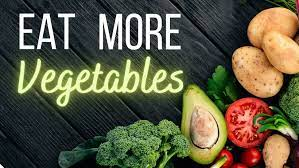
Easy Ways to Add Veggies to Your Meals
- Blend into smoothies: Spinach, kale, and carrots blend well into fruit smoothies without altering the taste.
- Make veggie-packed sauces: Pureed vegetables like tomatoes, bell peppers, and zucchini can enhance pasta sauces.
- Add them to soups and stews: Carrots, celery, and beans make meals heartier and more nutritious.
- Sneak them into snacks: Try veggie chips, hummus with carrots, or guacamole with cucumber slices.
Yummy Vegetarian Snacks
- Homemade trail mix with nuts, dried fruit, and seeds.
- Avocado toast topped with cherry tomatoes and sesame seeds.
- Crispy chickpeas seasoned with paprika and garlic powder.
Our Favorite Family Recipes
Breakfast: Veggie-Packed Smoothies
Start your morning with a nutritious smoothie. Blend:
- 1 banana
- 1 cup spinach
- 1/2 cup frozen mango
- 1 cup almond milk
- 1 tablespoon chia seeds
Lunch: Colorful Veggie Wraps
These wraps are easy to prepare and packed with nutrients:
- Whole wheat tortillas
- Hummus or avocado spread
- Sliced bell peppers, cucumbers, and carrots
- Leafy greens like spinach or kale
Dinner: Hearty Vegetable Stir-Fry
A delicious and filling dinner option:
- Broccoli, bell peppers, and snap peas
- Tofu or tempeh for protein
- Soy sauce, garlic, and ginger for flavour
- Serve over brown rice or quinoa
Overcoming Challenges Together

Dealing with Picky Eaters
If your kids are hesitant about vegetables, try these strategies:
- Make food fun: Create colourful plates and use cookie cutters for fun shapes.
- Involve them in cooking: Kids are more likely to eat what they help prepare.
- Try new flavours: Experiment with different herbs and spices to enhance the taste.
Eating Out as Vegetarians
Finding vegetarian options at restaurants is easier than ever. Look for:
- Salads and grain bowls with nuts, seeds, and legumes.
- Pasta dishes with tomato or pesto sauce.
- Vegetarian tacos with beans, avocado, and salsa.
The Bottom Line: Join Us on the Veggie Adventure!
Adopting a vegetarian lifestyle has been a rewarding journey for our family. It has improved our health, deepened our connection to food, and introduced us to a world of delicious, plant-based meals. Whether you’re considering going vegetarian or want to incorporate more plant-based foods into your diet, we encourage you to try these tips and recipes. Enjoy the benefits of a vegetarian lifestyle and embark on your veggie adventure!
Stay informed with the latest news and updates on techspare