


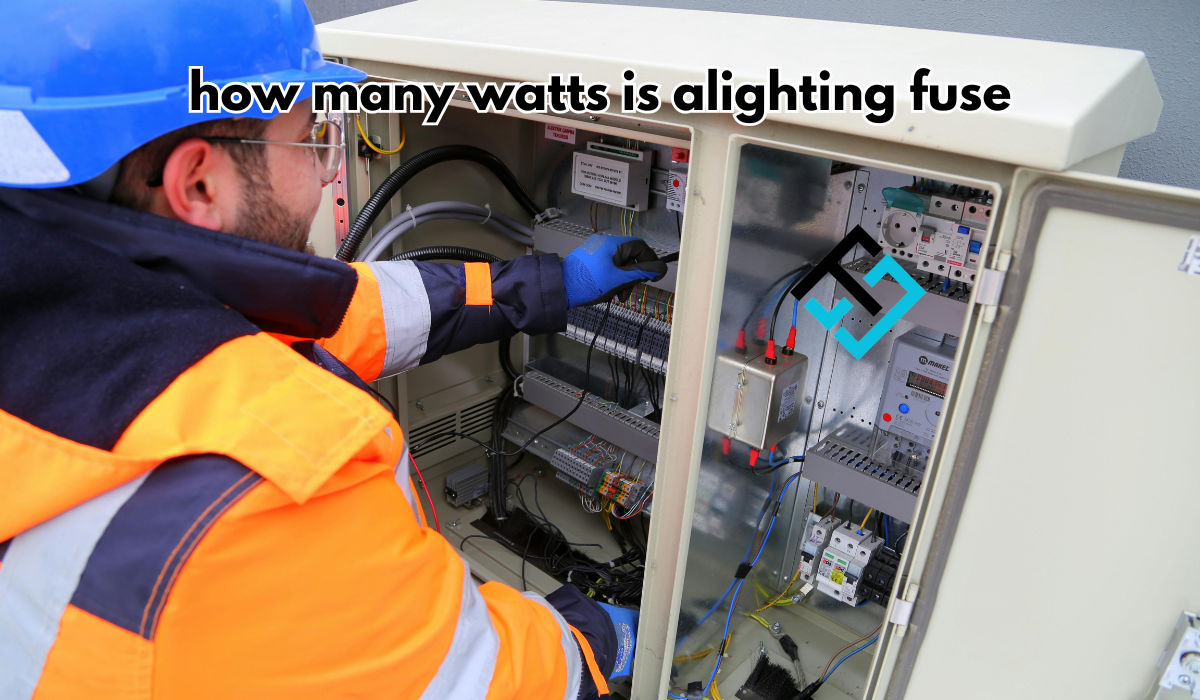
A lighting fuse is a crucial safety component in your home’s electrical system. It safeguards, preventing excessive electrical current from damaging appliances or causing electrical fires. Understanding how many watts a lighting fuse can handle is essential for ensuring the safety and efficiency of your electrical system. In this article, we will break down what a lighting fuse is, how to calculate the wattage it can handle, standard fuse sizes, and the importance of using the correct fuse for your setup.
What Is a Lighting Fuse?
A lighting fuse is a slight safety device that breaks the electrical circuit when excessive current flows through it. This prevents overheating and potential electrical hazards such as fires and short circuits. Fuses contain a thin metal wire that melts when the current exceeds a safe level, stopping electricity from flowing further.
Fuses are commonly found in electrical panels, appliances, and older electrical systems. They serve as an essential protective barrier, ensuring that electrical devices and wiring do not receive more power than they are designed to handle. Understanding their function helps in choosing the correct fuse for different applications.
How to Calculate Watts for a Fuse
To determine how many watts a lighting fuse can handle, we use a simple formula:
Watts = Volts x Amps
- Volts: This is the voltage supplied by the electrical system. In the United States, household electrical voltage is typically 120 volts.
- Amps: The fuse’s amp rating indicates how much current it can handle before it blows.
Example Calculation
If you have a 5-amp fuse in a 120-volt system:
Watts = 120 volts x 5 amps = 600 watts
This means a 5-amp fuse can safely handle up to 600 watts before it blows. This calculation helps you select the correct fuse for different circuits and appliances.
Also read this content: Rheem Hot Water Heater Review vs. Ruud
Standard Fuse Sizes and Their Watt Limits
Different fuse sizes can handle different amounts of power. Here are some standard fuse sizes and their maximum wattage limits:
- 5-Amp Fuse: Handles up to 600 watts (120 volts x 5 amps).
- 10-Amp Fuse: Handles up to 1,200 watts (120 volts x 10 amps).
- 15-Amp Fuse: Handles up to 1,800 watts (120 volts x 15 amps).
- 20-Amp Fuse: Handles up to 2,400 watts (120 volts x 20 amps).
- 30-Amp Fuse: Handles up to 3,600 watts (120 volts x 30 amps).
Selecting the correct fuse size is crucial for preventing electrical issues and ensuring safety.
Why Using the Correct Fuse Matters
Using the correct fuse in your electrical system is vital for safety and efficiency. Here’s why:
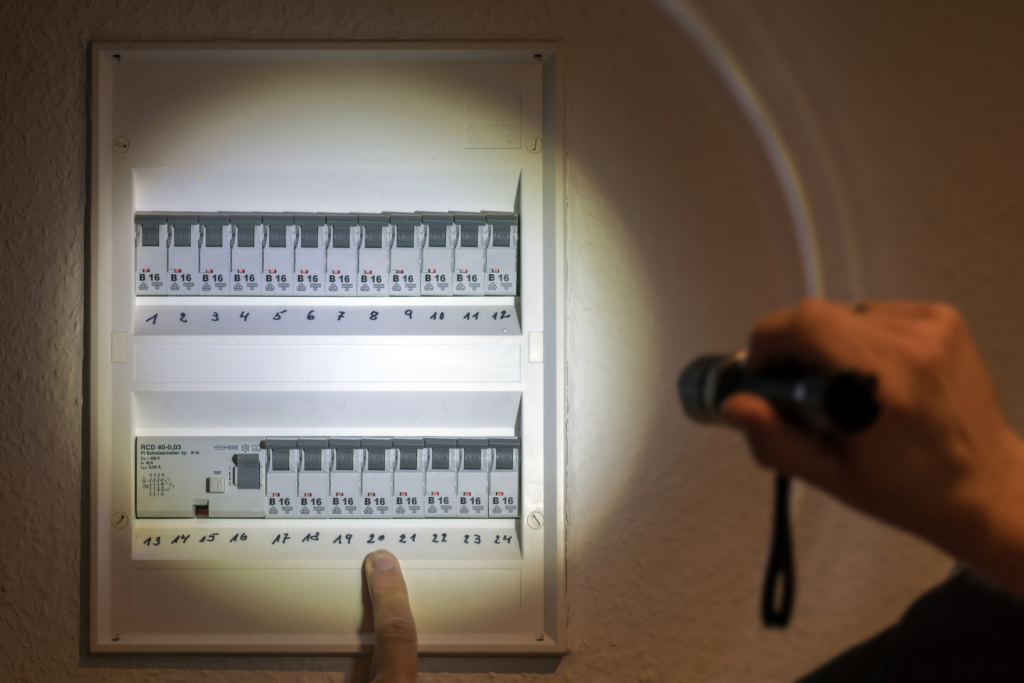
Prevents Overheating and Fire Hazards
A too large fuse may allow excessive current to flow through, increasing the risk of overheating and potential fires. An adequately rated fuse ensures that power is cut off before damage occurs.
Avoids Unnecessary Power Interruptions
If a fuse is too small, it will blow frequently, causing unnecessary power outages and inconvenience. Choosing a fuse with the correct rating prevents frequent interruptions while still protecting your electrical system.
Protects Appliances and Wiring
Using a fuse that matches your electrical needs helps prevent damage to appliances, wiring, and other connected devices. Overloading circuits can lead to costly repairs or replacements.
Tips for Choosing the Right Fuse
Selecting the correct fuse is essential for keeping your electrical system safe and functional. Here are some valuable tips:
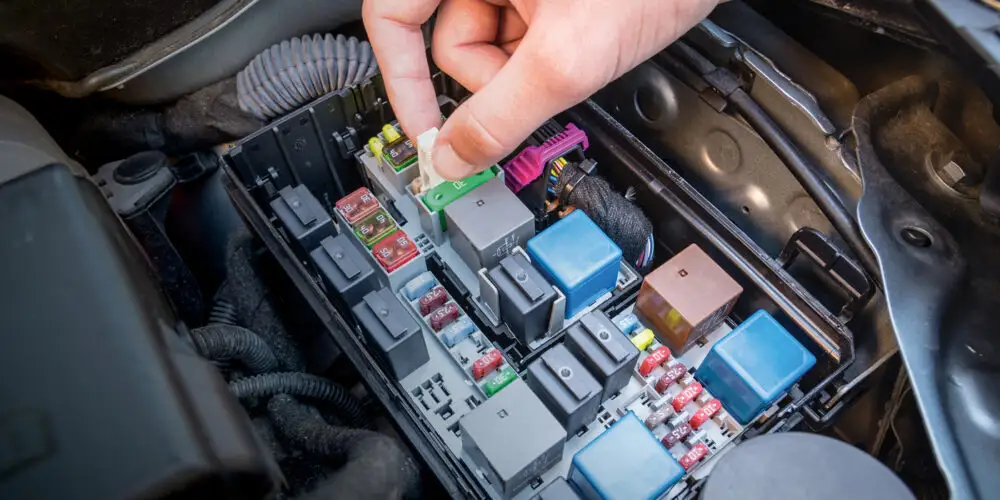
1. Know Your Circuit’s Load
Before choosing a fuse, calculate the total wattage of all the electrical devices connected to the circuit. This helps determine the appropriate fuse rating.
2. Select the Appropriate Fuse
Use the Watts = Volts x Amps formula to determine the fuse size best fits your circuit’s requirements. Avoid using a fuse with a much higher amp rating than needed.
3. Check the Fuse Type
Fuses come in various types, including:
- Slow-blow fuses allow brief electricity surges before blowing, making them ideal for devices with startup power spikes.
- Fast-acting fuses: These blow immediately when the current exceeds the limit, which is best for sensitive electronics.
4. Consult a Professional
If you’re unsure which fuse to use, consult a licensed electrician. They can help you assess your electrical needs and ensure that you select the correct fuse for safety and efficiency.
Final Thoughts
Understanding how many watts a lighting fuse can handle is vital to maintaining a safe electrical system. Using the Watts = Volts x Amps formula, you can quickly determine the correct fuse size for your needs. Choosing the proper fuse prevents electrical hazards, protects your appliances, and ensures your home runs smoothly without frequent power interruptions. If you’re unsure, always seek professional advice to avoid risks and maintain safety. Keeping your home’s electrical system safe starts with using the correct fuse in every circuit.
Find more interesting topics techspare