


All-on-4 dental implants have become a widely discussed option for people in London who are facing extensive tooth loss or struggling with uncomfortable dentures. This treatment offers a fixed, full-arch replacement supported by just four implants, providing stability and a natural appearance without the need for an implant for every missing tooth. Below, a London specialist addresses the seven most common questions about All-on-4 implants, helping you understand what to expect and whether the approach is suitable for your needs.
In the words of Dr. Sahil Patel of MaryleboneSmileClinic, careful assessment and planning are essential for predictable results in a dental implant London procedure. He explains that patients should seek detailed diagnostics and transparent discussions about suitability, risks and long-term maintenance before proceeding. Those who would like to understand the clinical philosophy behind full-arch rehabilitation can visit this site for further professional insight and educational resources. According to Dr. Patel, clarity at the consultation stage allows patients to make informed decisions and approach treatment with realistic expectations.
What Exactly Are All-on-4 Implants and How Do They Work?
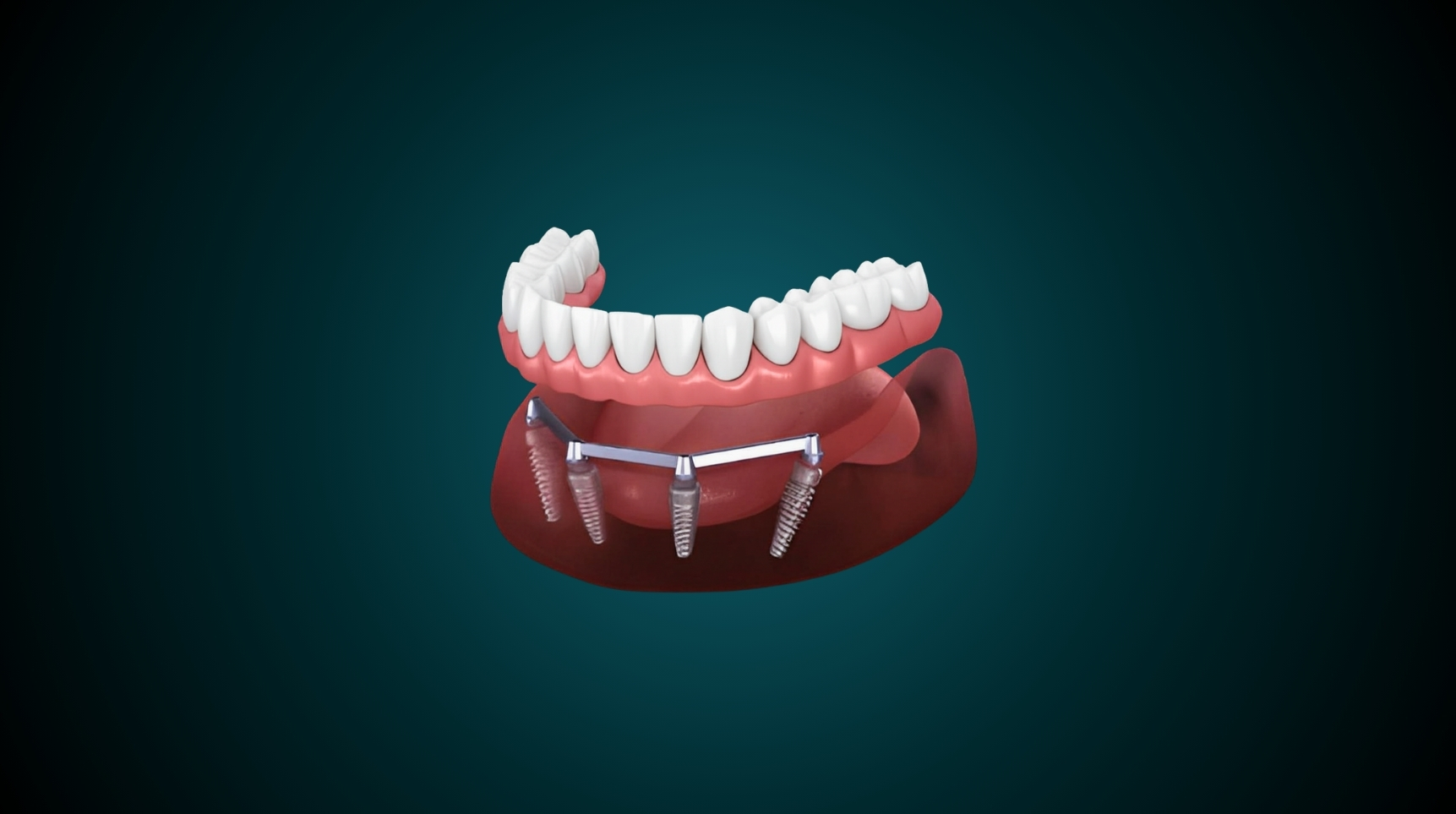
All-on-4 implants are a method of replacing an entire upper or lower arch of teeth using just four strategically positioned dental implants. Rather than placing an implant for every missing tooth, the clinician inserts two implants vertically at the front of the jaw and two at an angle towards the back. This angled placement maximises contact with available bone, often avoiding the need for bone grafting.
Once the implants are secured, a custom-made bridge is attached to them, creating a fixed set of teeth that cannot be removed by the patient. The design distributes biting forces evenly across the four implants, which helps provide stability and long-term durability. For individuals who have lost most or all of their teeth, this approach can offer a significant improvement in chewing function and speech compared to traditional removable dentures.
One of the key advantages is efficiency. In many cases, temporary fixed teeth can be fitted on the same day as surgery, meaning patients leave the clinic with a functional smile. After a healing period of several months, the final bridge is placed. This staged approach allows the implants to integrate securely with the jawbone while maintaining aesthetics and comfort during recovery.
Who Is a Suitable Candidate for All-on-4 Treatment?
Patients who are missing most or all of their teeth in a single arch, or whose remaining teeth are significantly damaged by gum disease or decay, are usually advised to get all-on-4 implants. Those who prefer a fixed option that feels more like natural teeth or who are fed up with loose dentures will find it very tempting.
Suitability depends on several factors, including bone quality and quantity, general health and oral hygiene habits. While the angled placement of the posterior implants often reduces the need for bone grafting, some patients may still require preparatory procedures. A comprehensive assessment with digital imaging and clinical examination is essential to determine whether the jawbone can adequately support the implants.
Medical conditions such as uncontrolled diabetes, heavy smoking or certain immune disorders may affect healing and long-term success. However, many individuals who assume they are not candidates can still be treated with careful planning and medical coordination. In London, where access to advanced imaging and multidisciplinary care is readily available, personalised treatment plans are standard practice. The goal is to balance safety, predictability and patient expectations.
Is the Procedure Painful and What Is the Recovery Like?
The surgical placement of All-on-4 implants is usually carried out under local anaesthetic, often combined with sedation for patients who feel anxious. During the procedure itself, discomfort is minimal. Most patients report that the experience is less daunting than they expected, particularly when compared to the discomfort of living with unstable dentures.
After surgery, mild to moderate swelling and soreness are common for several days. Pain is generally manageable with prescribed or over-the-counter medication. Patients are advised to follow a soft diet during the initial healing period to reduce pressure on the implants. Clear post-operative instructions and follow-up appointments are important parts of the process.
Recovery times vary, but most individuals return to routine daily activities within a few days. The implants require several months to fuse with the jawbone in a process known as osseointegration. During this phase, maintaining good oral hygiene and attending review appointments are critical. With appropriate care, complications are uncommon, and long-term outcomes are highly favourable.
How Long Do All-on-4 Implants Last?
When properly planned and maintained, All-on-4 implants can last many years and often decades. The titanium implants themselves are designed to be a long-term solution, integrating permanently with the jawbone. The prosthetic bridge attached to the implants may require maintenance or replacement over time due to normal wear.
Longevity depends heavily on oral hygiene and regular professional care. Even though the teeth are artificial, the surrounding gum tissue and bone must remain healthy. Patients are advised to brush thoroughly, use recommended cleaning aids and attend routine hygiene appointments. Smoking and uncontrolled medical conditions can reduce the lifespan of implants.
Clinical studies show high success rates for full-arch implant systems when patients adhere to maintenance guidelines. For many people considering options such as dental implant London clinics provide, the long-term reliability of All-on-4 is a decisive factor. Rather than repeatedly replacing removable dentures, patients invest in a stable foundation that supports both function and appearance over many years.
How Do All-on-4 Implants Compare with Traditional Dentures?
Traditional dentures rest on the gums and rely on suction or adhesive for retention. While they remain a viable solution for many, they can become loose over time as the jawbone naturally shrinks following tooth loss. This movement may affect speech, confidence and dietary choices.
All-on-4 implants, by contrast, are fixed in place and anchored directly into the bone. This stability allows patients to bite and chew with significantly greater force and confidence. Foods that are often avoided with dentures, such as certain fruits, meats and crusty bread, can usually be enjoyed again once healing is complete.
Another important difference lies in bone preservation. Because implants stimulate the jawbone during chewing, they help reduce the rate of bone loss that typically occurs after teeth are removed. Dentures do not provide this stimulation. From an aesthetic perspective, implant-supported bridges are designed to mimic natural teeth more closely, supporting facial structure and reducing the sunken appearance sometimes associated with long-term denture wear.
What Is the Cost of All-on-4 Treatment in London?
The cost of All-on-4 implants in London varies depending on clinical complexity, materials used and the experience of the dental team. While it represents a significant financial commitment, it is important to consider the long-term perspective. Unlike removable dentures, which may require regular replacement and adjustment, implant-supported bridges are designed for durability.
Fees typically include consultation, imaging, surgery, temporary teeth and the final bridge. Some clinics also incorporate sedation and follow-up care into the quoted price. Transparent breakdowns of costs allow patients to understand what is included and to compare options effectively.
Financing plans are often available to spread the investment over time. When evaluating value, patients should look beyond headline figures and consider factors such as clinical expertise, laboratory quality and ongoing support. In a city with a wide range of providers offering dental implant London services, careful research helps ensure that treatment standards match the cost.
What Should You Look for in a London Specialist?
Choosing the right clinician for All-on-4 treatment is as important as the procedure itself. Experience in full-arch implant rehabilitation, access to advanced imaging technology and a structured treatment protocol are all key indicators of quality care. Patients should feel confident that their provider can manage both routine cases and potential complications.
A thorough consultation should include discussion of alternative options, realistic timelines and clear explanation of risks. Reviewing before-and-after cases and patient testimonials can offer additional reassurance. Open communication is essential, particularly for individuals who may feel anxious about surgery.
It is also wise to consider aftercare. Implant treatment does not end when the final bridge is fitted; ongoing monitoring and hygiene support are vital for maintaining results. Selecting a specialist practice in London that emphasises long-term partnership rather than one-off procedures can make a meaningful difference to outcome and overall experience.
All-on-4 implants represent a significant advancement in restorative dentistry, offering a fixed and functional solution for extensive tooth loss. By understanding the practical realities behind the seven most common questions, patients can approach treatment decisions with greater confidence and clarity.