

Festive seasons quietly change and sometimes disrupt everyday routines in addition to changing calendars. Sleep pattern shifts, meals become longer and heavier, portions become bigger, and activity abruptly decreases.
Health advice around moderation isn’t new. The challenge is that during celebrations, moderation becomes secondary to convenience and social rhythm. That’s where digital tools have started to make a difference,not by restricting behaviour, but by making it more visible.
Tracking Intake Without Overcomplicating It
During the festive season, food is prepared and eaten throughout the day, such as family meals, desserts, second servings, and late-night snacks. Portion awareness drops because there’s no clear start or end point.
Tools like MyFitnessPal don’t force strict dieting; they simply create a record. Even loose tracking starts to highlight patterns within a few days:
- Meals becoming heavier than usual
- Protein or sugar intake stacking up
- Gaps in hydration or fibre
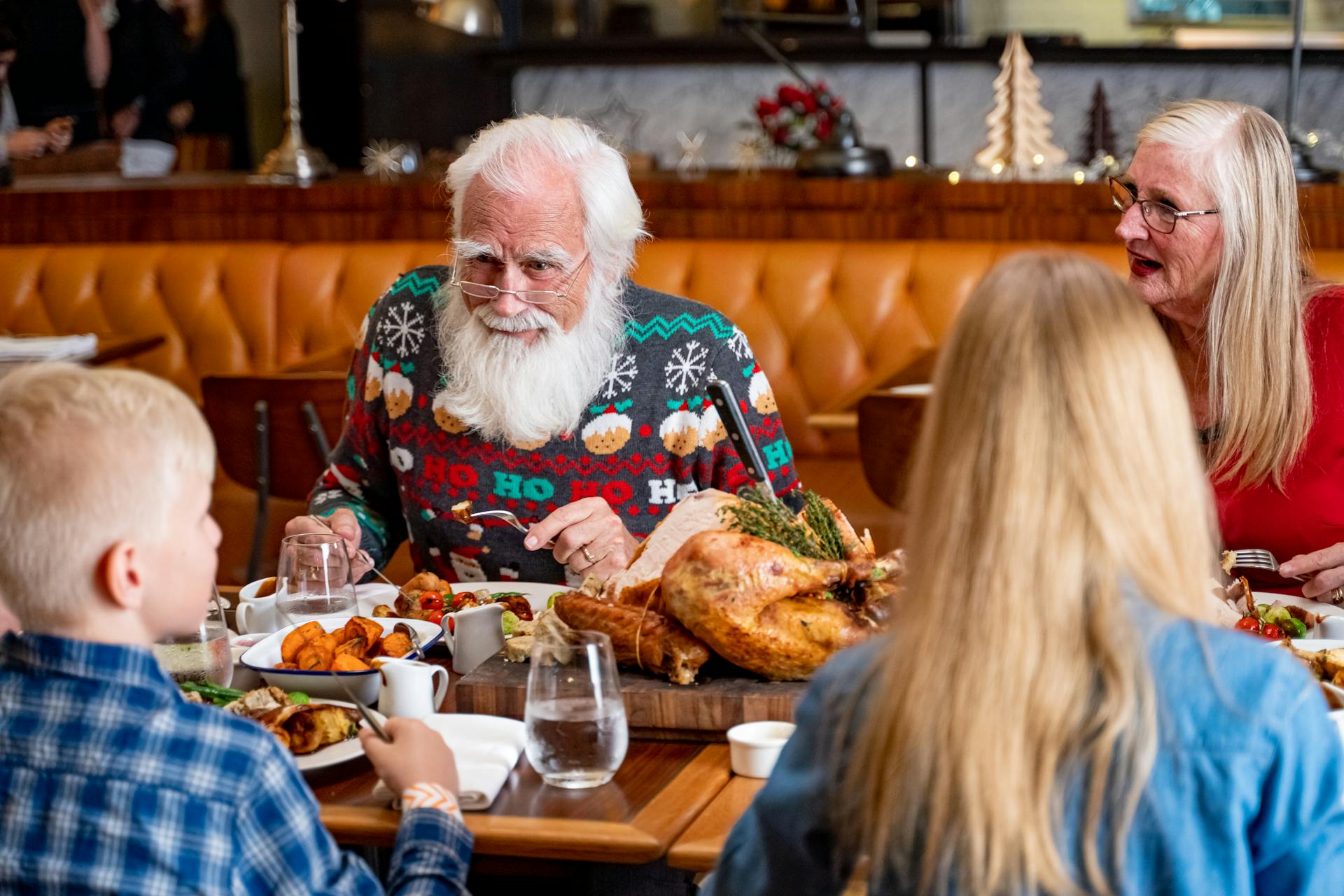
This applies across occasions. Eid meals, Diwali mithai, and Christmas roasts all contribute excess in various ways.
During periods like Qurbani, when meals tend to revolve around red meat for several consecutive days, some kind of awareness and mindfulness becomes useful. It allows small adjustments, such as gaps between smaller portion meals, adding lighter foods like vegies, and increasing water intake,without stepping away from the tradition itself.
Wearables and What the Body Is Actually Saying
Most people rely on how they feel to judge health during festive periods. The problem is that fatigue, heaviness, or low energy often show up late.Devices like Fitbit Charge track what’s happening in real time:
- Sleep becoming shorter or more disruptive
- Daily steps dropping below normal levels
- Resting heart rate increasing up
These aren’t random numbers. A few nights of poor sleep or reduced movement can explain why energy drops or focus slips. The advantage here is timing.Small changes can be made before it turns into prolonged fatigue.
Hydration Gets Ignored Faster Than Expected
One of the easiest things to miss during celebrations is water intake. Meals become heavier, drinks become sweeter or caffeinated, and plain water gradually disappears from the routine.
Simple hydration tracking changes that dynamic:
- Reminders bring attention back to water throughout the day
- Logs make it clear when intake is falling short
- Some wearables even adjust hydration needs based on activity
The effect isn’t minor but quite noticeable. Better hydration improves digestion, reduces that sluggish post-meal feeling, and helps regulate appetite,especially when meals are rich in salt and oil or frequent.
Short-Term Impact Is Still Impact
There’s a tendency to consider festive eating as temporary, but even short bursts of excess can have noticeable effects.
Higher intake of sugar, fats, or red meat over a few days can lead to:
- Temporary spikes in uric acid
- Digestive discomfort or bloating
- Fluctuations in cholesterol markers
Research and guidance from Harvard Health Publishing point out that the body responds quickly to sudden dietary shifts, particularly in individuals already managing health conditions.
Digital tools help keep that response in check. They don’t prevent indulgence, but they create room to balance it through activity reminders, better sleep patterns, and more stable intake over the following days.
Small Nudges, Real Impact
What actually makes these tools effective isn’t the data itself;it’s the timing of small prompts.
- A reminder to move after sitting too long.
- A notification showing reduced sleep quality.
- A gentle alert when intake exceeds usual levels.
Cultural Traditions Don’t Need to Change, Just the Approach
Food will always be central to celebrations. It’s tied to culture, memory, and social connection. That isn’t something technology should interfere with.
The goal is balance rather than dropping the traditional foods like during Eid al-Adha, when food distribution and consumption are part of a cultural and traditional practice. The same applies to festive meals across other cultures, whether it’s sweets during Diwali or large shared dinners during Lunar New Year.
Staying Consistent Without Cutting Back
The idea that festive periods inevitably lead to health setbacks is more habit than fact. The real issue is not indulgence,it’s losing track of it.
Apps and wearables address that gap. They provide just enough visibility to make small corrections possible, without turning celebrations into controlled routines.
That balancebetween participation and awarenessis where they prove most useful.