



In the world of advanced biological research, where the tiniest particles shape the largest understandings of life, Frederic Bonnet stands out as a name intricately tied to visual discovery. As the Head of the Light Microscopy Facility at the Max Planck Institute of Molecular Cell Biology and Genetics (MPI-CBG) in Dresden, Germany, Bonnet has carved a niche as both a technological pioneer and a profoundly collaborative scientist.
He doesn’t just manage microscopes—he shapes the future of imaging in modern science. But who is Frederic Bonnet, and what exactly is his role at MPI-CBG? Let’s explore how his contributions help scientists visualize life at its most fundamental level and why his work matters in a rapidly evolving field.
Who Is Frederic Bonnet?
Frederic Bonnet is a French-born imaging specialist who has dedicated his career to microscopy and its application in biological research. Currently based in Dresden, he leads one of the most prominent microscopy facilities in Europe—MPI-CBG’s Light Microscopy Facility. His job isn’t just about operating equipment; it’s about enabling researchers to push boundaries.
With a background rooted in biological sciences and a deep technical understanding of optics and imaging technologies, Bonnet bridges the gap between complex instrumentation and the real-world biological questions posed by scientists. His passion lies in helping researchers “see the unseen”—capturing cellular processes as they unfold in real-time, at high resolution.
What Is MPI-CBG?
The Max Planck Institute of Molecular Cell Biology and Genetics (MPI-CBG) is a research powerhouse based in Dresden. It’s part of the wider Max Planck Society, known globally for excellence in scientific innovation. MPI-CBG focuses on answering the fundamental questions of life—how cells function, how they organize into tissues, and how complex organisms develop.
To do this, they rely on a blend of biology, physics, computer science, and engineering. And that’s where Frederic Bonnet fits in: at the intersection of science and technology, providing the visual tools that turn theoretical concepts into observable phenomena.
The Role of Light Microscopy in Cell Biology
Understanding the life of a cell isn’t just about studying its structure—it’s about watching it in action. Light microscopy allows scientists to observe living cells and tissues in real-time. At MPI-CBG, researchers use various microscopy techniques such as:
- Confocal microscopy
- Light-sheet microscopy
- Super-resolution imaging
- Multiphoton microscopy
- Time-lapse imaging
Bonnet’s facility makes these tools accessible and understandable, offering both the equipment and the training necessary for high-level research. More than just a service provider, the Light Microscopy Facility, under Bonnet’s leadership, is a hub of innovation and technical expertise.
Bonnet’s Philosophy: Democratizing Technology for Discovery
Frederic Bonnet has been quoted as saying that he wants to “put the right technology into the hands of researchers so they can answer their scientific questions.” This reflects a more profound mission: democratizing access to high-end microscopy.
Rather than guard the facility behind complex manuals and intimidating interfaces, Bonnet and his team aim to empower scientists—from students to senior researchers—to feel comfortable and capable with even the most advanced microscopes.
This human-centric approach is what makes his leadership so effective. He understands that breakthroughs often come not from the machine but from the mind behind it. By removing the barriers to technology, he opens the door for groundbreaking discoveries.
Pioneering Custom Solutions
Another defining aspect of Bonnet’s work is his commitment to customization. Every research question is different, and sometimes existing microscopes need tweaking—or entirely new setups must be built.
Bonnet works closely with instrument developers, software engineers, and biologists to create bespoke imaging systems tailored to specific experimental needs. This might involve modifying objectives, redesigning illumination paths, or even developing custom software for image acquisition and analysis.
This adaptability is crucial in a field where one-size-fits-all doesn’t apply. By tailoring tools to research questions, Bonnet ensures that MPI-CBG remains at the forefront of innovation.
Training the Next Generation of Scientists
A large part of Bonnet’s mission involves education. Through workshops, training sessions, and hands-on guidance, he helps scientists develop not only the skills to use microscopes but also the ability to design experiments that make the best use of imaging.
He frequently collaborates with universities and research institutions across Europe and beyond, sharing knowledge and promoting best practices in microscopy. His name often appears in microscopy conferences and symposiums, either as a speaker or an organizer.
This commitment to education ensures that the next generation of researchers isn’t just inheriting technology—they’re equipped to improve it.
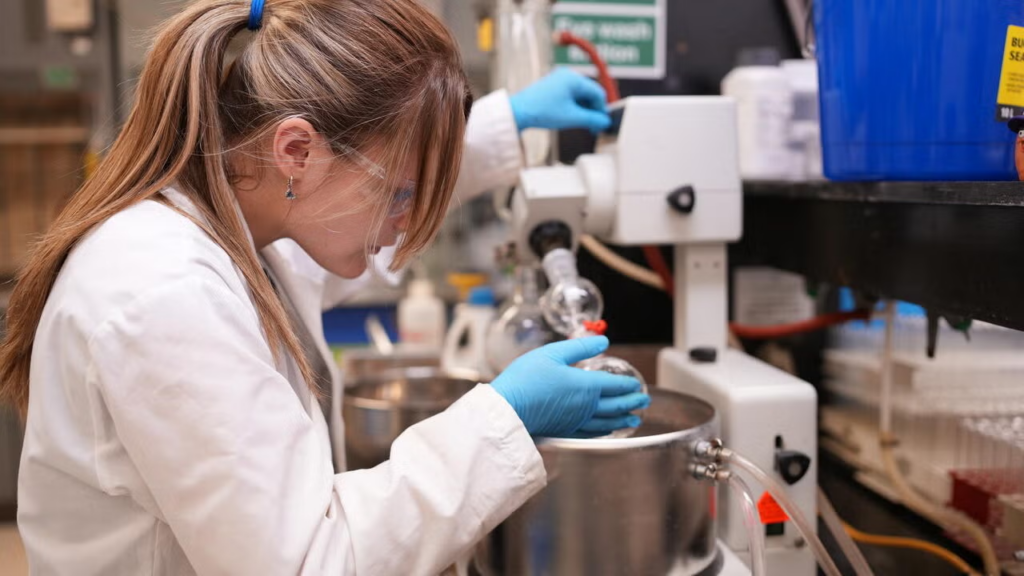
Real-World Impact: From Imaging to Insights
While microscopy may seem like a technical specialty, its impact is broad and deep. The images captured at MPI-CBG—thanks to Bonnet’s facility—help scientists uncover how cells divide, how organs form, how diseases like cancer begin, and how stem cells differentiate.
For instance, researchers studying zebrafish embryos have used light-sheet microscopy to visualize development at cellular resolution. Others investigating neural networks can map out brain cells with unprecedented clarity.
These discoveries wouldn’t be possible without imaging tools—and the people who manage them. Frederic Bonnet isn’t just maintaining a lab; he’s supporting a pipeline of visual data that leads to critical insights into human health, development, and biology.
Collaborations and Community Involvement
Beyond MPI-CBG, Bonnet plays an active role in the broader microscopy and life sciences community. He contributes to collaborative networks like Euro-BioImaging, which connects imaging facilities across Europe to promote shared access to cutting-edge equipment.
He is also part of open science initiatives, advocating for transparent data sharing, reproducibility, and open-source solutions for image analysis. His philosophy is grounded in collaboration over competition, and he frequently co-authors papers, tools, and protocols with peers around the world.
These efforts extend his impact beyond Dresden, helping to shape microscopy practices globally.
Human Behind the Lens
What makes Frederic Bonnet particularly inspiring isn’t just his technical prowess but his humility and sense of purpose. Despite being surrounded by complex technology, he often emphasizes the human side of science—the collaboration, the creativity, and the curiosity that drives discovery.
Colleagues describe him as approachable, supportive, and deeply invested in the success of others. In many ways, his leadership reflects the values of MPI-CBG itself: interdisciplinary, inclusive, and driven by a desire to understand life in all its complexity.

A Legacy of Visual Innovation
Frederic Bonnet’s contributions go beyond any single experiment or microscope. By nurturing a culture of innovation, accessibility, and collaboration, he has helped shape MPI-CBG into a world leader in biological imaging.
His work continues to evolve alongside technology, but the core mission remains the same: helping scientists see what was previously invisible and, in doing so, unlocking the secrets of life.
Final Thoughts
In an age where science moves at the speed of innovation, Frederic Bonnet remains a steady force behind some of the most visually compelling discoveries in modern biology. At MPI-CBG, his work transcends the microscope—he builds bridges between biology and technology, between curiosity and clarity.
More than just a microscopy expert, Bonnet is a facilitator of vision—literally and figuratively. He enables researchers to ask better questions, design more brilliant experiments, and unlock hidden dimensions of life at the cellular and molecular levels. His leadership ensures that advanced imaging isn’t just a privilege for a few but a shared resource that empowers many.
As the tools of science become more complex, the need for people like Frederic Bonnet—those who can humanize technology, simplify complexity, and inspire through support—has never been greater. His work will continue to echo through the breakthroughs it supports and the generations of scientists he trains.
Whether you’re a researcher peering through a high-resolution lens or a curious mind wondering how life works at its most miniature scale, the contributions of Frederic Bonnet and the Light Microscopy Facility at MPI-CBG play a quietly profound role in shaping what we know—and what we’ll discover next.
Stay informed with the latest news and updates on techspare